Modern lifestyle is increasingly shaped by rhythm rather than speed. After years of glorifying constant motion, people are redefining what it means to live well. Productivity is no longer measured by exhaustion, and leisure is no longer about escape. Instead, daily life is designed around balance — a steady flow between focus, stimulation, rest, and reflection.
This shift is visible in the way people structure their days. Mornings are calmer, often protected from unnecessary noise. Work is approached with intention, favoring deep focus over constant multitasking. Evenings are treated as a transition rather than a collapse — a space where the pace slows, but awareness remains.
Leisure plays a central role in this rhythm-based lifestyle. Free time is no longer random or reactive. Activities are chosen deliberately, based on mood, energy, and personal values. The goal is not to fill every moment, but to experience moments fully. This approach allows people to enjoy stimulation without feeling overwhelmed.
Digital entertainment has adapted to this mindset. Passive consumption feels increasingly misaligned with lives built around clarity and control. Endless scrolling offers little satisfaction and often leaves people feeling drained. In contrast, structured digital experiences that involve choice, timing, and engagement feel sharper and more rewarding.
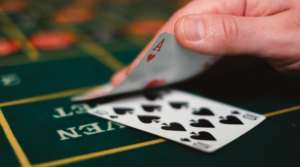
Within this context, platforms associated with a casino environment can fit naturally into a balanced lifestyle when approached consciously. Their appeal lies in structure — clear rules, defined sessions, and an element of strategy. The experience is contained, allowing excitement to exist without spilling into excess.
What defines modern leisure is not intensity, but boundaries. People want experiences that stimulate the mind, not hijack it. This is why time limits, intentional engagement, and clear stopping points have become essential. Entertainment becomes a choice, not a habit.
Social dynamics reflect the same evolution. Large, chaotic gatherings are giving way to smaller, more intentional interactions. Conversations are slower, deeper, and more meaningful. Presence matters more than performance. Even solitude is embraced as a valuable part of a healthy rhythm, offering space for recalibration and clarity.
Aesthetics support this lifestyle philosophy. Living spaces are curated to reduce friction and visual noise. Clean layouts, warm lighting, and purposeful objects create environments that support calm focus. Personal style follows a similar logic — fewer pieces, stronger identity, understated confidence. Lifestyle becomes an extension of inner balance.
Wellness culture has matured alongside these changes. Extreme routines and aggressive optimization are being replaced by consistency and sustainability. Movement is regular but flexible. Rest is respected. Mental health is integrated into daily life rather than treated as a separate concern. The emphasis is on longevity, not short-term intensity.
Food and drink rituals also play a role in maintaining rhythm. Meals are less rushed and more mindful. Even simple acts — preparing dinner, enjoying a quiet drink, or sharing a meal — become anchors in the day. These moments slow time and reinforce presence.
Evenings, in particular, have gained importance. They are no longer an afterthought, but a designed phase of the day. Lighting softens. Notifications fade. Activities are chosen based on how they complement the body’s natural slowdown. This intentional approach allows people to unwind without disconnecting from themselves.
Reflection is woven into modern living. Short moments of awareness — journaling, thinking, or simply observing — help maintain alignment. Reflection prevents burnout and sharpens decision-making. It reminds people that lifestyle is not static, but something that requires ongoing adjustment.
Technology, once blamed for imbalance, is now being curated. Tools and platforms are selected based on how well they respect time and attention. Experiences that offer structure, clarity, and optional engagement are welcomed. Those that demand endless presence are quietly removed.
Ultimately, modern lifestyle is about flow. Knowing when to engage and when to pause. When to seek stimulation and when to choose stillness. Pleasure is not rejected — it is refined and placed carefully within the rhythm of life.
In this framework, entertainment becomes an accent rather than a centerpiece. Carefully chosen experiences — including structured digital environments — add texture and contrast without disrupting balance. They offer moments of excitement that fit cleanly into a life designed around intention.
A lifestyle built on rhythm feels sustainable, confident, and quietly powerful. It does not rush. It does not chase. It moves forward with clarity — one deliberate choice at a time.